“`html
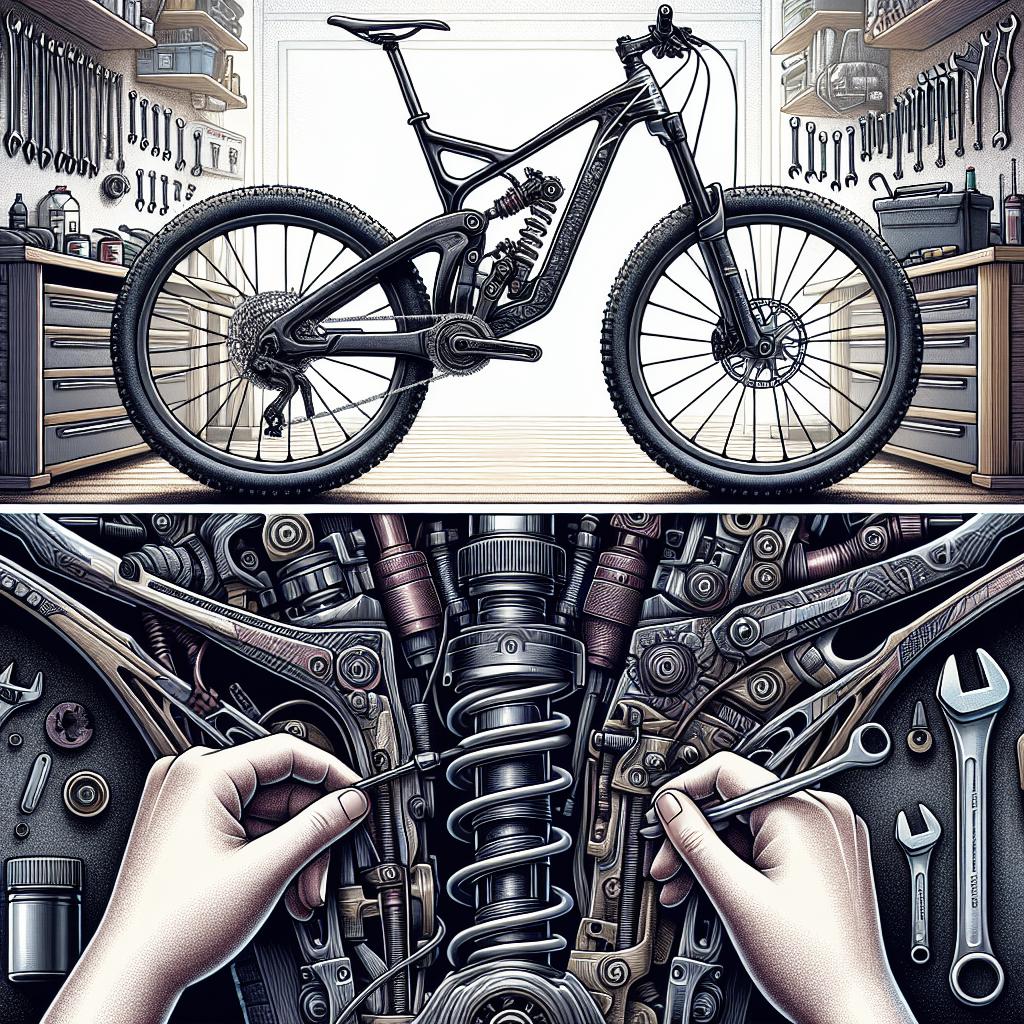
How to Maintain Bike Suspension Systems
## Post navigation ### Gavin Richardson ### 06 Feb 2024
What We Covering?
Maintaining a bike’s suspension system is crucial for optimal performance, safety, and comfort while riding. This detailed guide will walk you through various aspects of bike suspension maintenance. We’ll explore the different types of suspension, setup procedures, regular maintenance routines, common issues, and tips for choosing the right suspension for your riding needs. By the end of this guide, you will have a comprehensive understanding of how to keep your bike’s suspension in top condition, ensuring smooth rides and longevity for your equipment.
Introduction to Mountain Bike Suspension:
Suspension systems are pivotal for mountain bikers who venture into rugged terrains. They enhance the bike’s capability to absorb shocks from uneven surfaces, providing a smoother ride and better control. Understanding your bike’s suspension is crucial to maintaining it effectively and optimizing its performance according to your riding style and terrain.
The suspension comprises various components like forks and shocks that work together to manage the bike’s stability and handling. Proper setup and maintenance of these components are essential for a safe and enjoyable biking experience.
Types of Mountain Bike Suspension
1. Air Forks:
Air forks are a popular choice among mountain bikers due to their lightweight nature and adjustability. They use compressed air as the spring mechanism, allowing for easy tweaks to suit different riding conditions and preferences. Despite being relatively low-maintenance, occasional checks for air pressure and seal condition are necessary.
Regularly inspecting the air pressure and ensuring the seals are intact can prevent potential performance issues. With the right care, air forks can significantly enhance ride quality and handling.
2. Coil Forks:
Coil forks use a metal spring to absorb shocks, offering a more consistent performance over various terrains. Although heavier than air forks, they are favored for their durability and linear feel. Maintenance involves checking the coil for rust or damage and ensuring the damping mechanism is functioning correctly.
Coil forks require less frequent adjustments compared to air forks but still need attention to maintain their performance and ensure longevity.
3. Air Shocks:
Similar to air forks, air shocks use air chambers to provide a spring action in the rear suspension. These are highly adjustable and can be tuned for different rider weights and styles. Regular air pressure checks and lubrication of the moving parts are part of their maintenance routine.
Proper adjustment of air shocks can dramatically affect the bike’s performance, making it imperative to monitor and tune according to your riding conditions.
4. Coil Shocks:
Coil shocks are known for providing consistent damping over rough terrains. They are ideal for riders who prefer a more predictable feel from their suspension. However, the added weight can be a downside for some. Maintaining them involves checking for wear and tear in the coil and ensuring the shock absorbers are functioning efficiently.
Routine inspections and cleaning can prolong the life of coil shocks and ensure they provide the necessary support throughout your ride.
Setting Up Suspension
1. Sag:
Sag refers to the amount of suspension travel used when a rider sits on the bike. Proper sag setup is crucial for maintaining control and traction. Measuring sag involves sitting on the bike in full gear and ensuring the suspension compresses to the manufacturer-recommended percentage of its total travel.
This setup allows the suspension to utilize its full range effectively during a ride, improving stability and comfort on various terrains.
2. Compression:
Compression damping controls how quickly the suspension compresses under load. Adjusting compression settings can help manage the bike’s responsiveness to bumps and landings. Riders should experiment with different settings to find the balance between comfort and control.
Too much compression can make the ride harsh, while too little can make the bike feel unstable. Fine-tuning is key to achieving optimal performance.
3. Rebound:
Rebound damping regulates the speed at which the suspension returns to its original position after compression. Finding the right rebound setting ensures your bike remains stable and doesn’t ‘pogo’ after absorbing a hit. Adjustments should be made gradually to match your riding style and terrain.
An improper rebound setting can lead to a bouncy ride or loss of control, making this an important aspect of suspension setup.
4. Additional Adjustments:
Aside from sag, compression, and rebound, some suspension systems offer additional adjustments such as bottom-out resistance and high-speed compression. These features allow further customization to match specific riding conditions or personal preferences.
Understanding and utilizing these features can enhance your riding experience by catering the suspension specifically to your needs.
5. Regular Maintenance:
Regular maintenance of your bike’s suspension is essential to keep it functioning properly. This includes regular checks of air pressure, seal integrity, and overall condition. Developing a routine for cleaning and lubrication can prevent dirt buildup and prolong the lifespan of components.
Engaging in routine maintenance can prevent minor issues from escalating into significant problems, ensuring a reliable and smooth ride.
Maintenance and Servicing
1. Cleaning:
Keeping the suspension clean is vital for preventing damage and wear. Dirt and grime can accumulate, causing seals to degrade and reducing the overall efficiency of the system. Use a soft brush and bike-specific cleaning solutions to remove debris carefully.
Regular cleaning can help you spot early signs of wear or damage, enabling timely intervention and repair.
2. Lubrication:
Proper lubrication of forks and shocks is essential for smooth operation. Use high-quality lubricants designed for bike suspensions to reduce friction and wear on moving parts. Apply lubricants sparingly to avoid attracting dust and dirt.
Keeping your suspension parts well-lubricated can enhance performance and drastically reduce maintenance costs over time.
3. Inspection:
Regular inspection of the suspension components is crucial for identifying potential problems before they escalate. Check for signs of wear, cracks, or leaks around seals and bushings. Pay close attention to any unusual noises or performance changes during rides.
Routine inspections can lead to early detection of issues, allowing for preventive measures such as seal replacements or lubrication tasks.
4. Seal Maintenance:
Seals play an essential role in keeping dirt out and retaining lubrication within the suspension system. Regularly inspect seals for cracks or signs of wear, as damaged seals can lead to oil leaks and reduced performance.
Replacing seals promptly when worn out ensures that the system remains well-protected from environmental elements and maintains optimal performance.
5. Rebuilds and Overhauls:
Over time, suspensions may require a complete rebuild or overhaul to restore full functionality. This process generally involves replacing worn-out parts, such as seals, bushings, and oil. Although more intensive, regular overhauls can significantly extend the lifespan of your suspension.
Scheduling routine rebuilds or overhauls based on manufacturer recommendations or observed performance drop can prevent costly repairs in the future.
6. Professional Servicing:
Sometimes self-maintenance might not cover all aspects of suspension repair and tuning, especially for more advanced setups. Professional servicing by qualified mechanics ensures that your suspension system receives expert attention and adjustments required for optimal performance.
Utilizing professional servicing provides peace of mind that critical components are maintained with precision, adhering to manufacturer specifications and industry best practices.
Choosing the Right Suspension for Your Bike:
1. Riding Style:
The choice of suspension heavily depends on your riding style. For aggressive downhill rides, a suspension with more travel might be ideal, whereas cross-country riders might prefer lightweight, less travel options. Aligning your suspension choice with your riding style ensures maximum enjoyment and performance.
Consider how you plan to use the bike and the type of terrain you’ll most often encounter when selecting suspension components.
2. Terrain Type:
Different terrains require different suspension setups. Rough trails with lots of rocks and roots might require more robust coil systems, whereas smoother paths can benefit from lighter air setups. Identifying your common riding terrain can guide you in making the correct suspension choice.
By matching your suspension with the terrain, you can optimize control and reduce excessive wear on the bike.
4. Compatibility:
Ensure that any new suspension components are compatible with your current bike setup. This includes checking the measurements, mounting options, and overall geometry. Mismatched components can negatively affect bike performance and safety.
Taking compatibility into account during selection will prevent installation headaches and ensure that systems work harmoniously together.
5. Brand and Reputation:
Choosing reputed and reliable brands for suspension components can save time and money in the long run. Brands known for quality and durability often come with better support and warranty options, ensuring continued performance.
Exploring reviews and recommendations can provide insights into which brands are best suited to your needs and offer the reliability riders seek.
Common Suspension Issues and Troubleshooting:
1. Suspension Bottoming Out:
Bottoming out occurs when the suspension reaches the end of its travel during use. This can indicate incorrect sag settings or too soft a spring. Adjust the sag or consider stiffer springs to counteract this issue.
Proper sag and spring strength contribute significantly to preventing bottom-out occurrences, maintaining consistent riding comfort.
2. Suspension Fork Stiction:
Stiction is the initial resistance experienced before suspension components begin to move. Lubrication and cleaning can help reduce stiction, improving the suspension’s response to impact.
Regular application of a quality suspension lube spray, such as Fenwick’s Suspension Lube Spray, can alleviate this issue.
3. Suspension Squeaking or Creaking:
Squeaking or creaking noises from the suspension can be caused by poor lubrication or worn components. Regularly lubricate moving parts and check for worn-out seals or bushings.
Addressing the root causes of these noises promptly ensures that mechanical integrity remains uncompromised.
4. Suspension Seal Leaks:
Seal leaks are a common problem where oil seeps from the suspension unit, usually due to worn seals. Regular inspection and replacements when necessary can prevent fluid loss and maintain damping performance.
Ensuring that seals are maintained will avoid excessive damage to the internal components of the suspension.
5. Suspension Damping Adjustment Issues:
Difficulty adjusting suspension damping may result from blocked valves or misaligned components. Consult your suspension manual for guidance, or seek professional help if adjustments remain elusive.
Keeping adjustment mechanisms clean and in good working condition ensures quick and easy customization for different rides.
Future Prospects:
| Aspect | Summary |
|---|---|
| Types of Suspension | Explores air and coil options for both forks and shocks to suit different preferences and terrains. |
| Setting Up Suspension | Covers essential adjustments like sag, compression, and rebound for personalized performance. |
| Maintenance and Servicing | Details on cleaning, lubrication, inspection, and professional service routines. |
| Choosing the Right Suspension | Guidance on selecting components based on riding style, terrain, and compatibility. |
| Common Issues and Troubleshooting | Solutions for problems like bottoming out, stiction, and seal leaks. |
“`