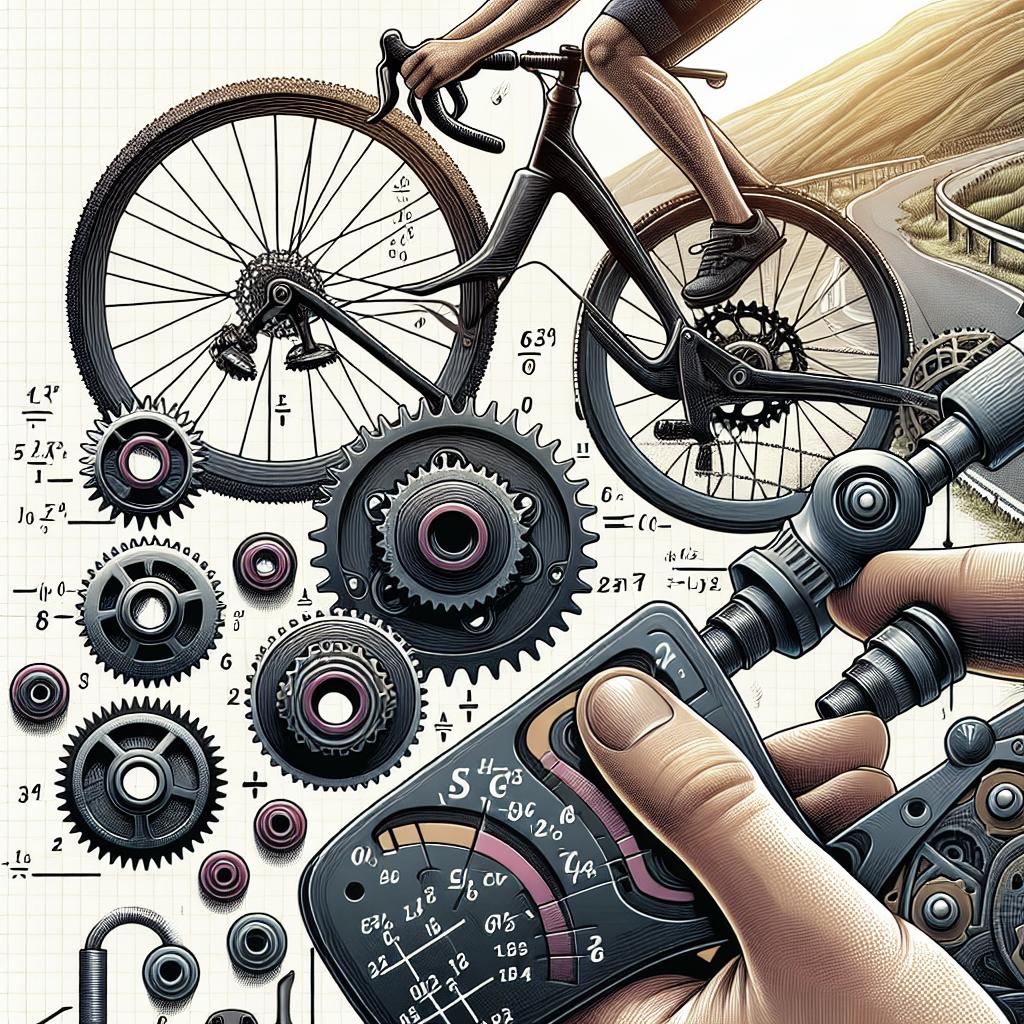
Understanding Bike Gear Ratios: The Ultimate Guide
Biking enthusiasts and novices alike often face an overwhelming array of components, especially when it comes to gears. Understanding the intricacies of bike gear ratios can transform your cycling experience, making rides smoother and more enjoyable. This blog post breaks down the essentials of bike gears, covering types of gears— from derailleurs to internal gear hubs—and how they function. You’ll learn practical tips on using and maintaining bike gears and discover when to shift to maximize performance. Whether you’re tackling steep climbs or cruising flats, this guide will enhance your bike-riding proficiency, ensuring efficient and comfortable rides.
What are gears on a bike?
Derailleur gears explained
The derailleur system is one of the most common gear systems used on modern bikes. It consists of a chain, multiple chainrings, and cogs located on the front and rear wheels of the bike. By moving the chain between these different rings and cogs using a derailleur mechanism, the cyclist can adjust the bike’s gear ratio. This system allows for a versatile and wide range of speeds, adapting to various terrains and cycling conditions.
Derailleurs require precise adjustments and regular maintenance to function efficiently. The derailleur’s task is to reposition the chain smoothly across various gears without dropping it or creating excessive noise, which relies on fine-tuning the derailleur’s alignment and the tension in the cables.
What is an internal gear hub on a bike?
Internal gear hubs are another popular type of gear system, distinguished by their enclosed mechanism located in the rear hub of the bike. This setup houses the gears in a sealed environment, offering protection against dirt and moisture. This results in lower maintenance needs compared to derailleur systems, making them ideal for commuters and city bikers who may not have the time for frequent upkeep.
While offering a cleaner and more aesthetically pleasing solution, internal gear hubs usually come with a more limited range of gear choices than derailleur systems and can add extra weight to the bike. Cyclists looking for easy and low-maintenance bikes often prefer these hubs, benefiting from seamless and straightforward gear shifting even when stationary.
Do bikes have a gearbox? What is a gearbox bike?
Gearbox bikes are relatively new in the cycling world, boasting an internally housed gearing system akin to those found in motor vehicles. These bikes aim to improve reliability and reduce visible moving parts compared to traditional bicycles with derailleurs. Gearbox systems can offer precise and consistent shifting and improve durability.
Typically, gearbox systems integrate into the bike frame or as an enclosed unit near the bottom bracket. They distinguish themselves by being less exposed to the elements, enhancing longevity and performance. However, their complexity and weight might deter those who appreciate simplicity and the weight-saving characteristics of traditional derailleur systems.
What is an electronic groupset on a bike?
Electronic groupsets represent the cutting edge of cycling technology, enhancing traditional mechanical shifting with electronic precision. With a touch of a button, electronic groupsets shift the chain through gears quickly and accurately, reducing the physical effort required for gear changes.
These systems are famous for their seamless performance and the ability to self-regulate and trim for consistent operations. They are often found on high-end road bikes and racing cycles, appealing to cyclists looking for the ultimate in performance and cutting-edge biking technology. However, their price and added weight from batteries are considerations for those evaluating an upgrade.
What is a singlespeed/fixed/fixie bike?
Singlespeed bikes represent simplicity at its finest, featuring a single set gear without the complexity of multiple gearing systems. These bikes are popular in urban settings and among those who appreciate cycling as a minimalist art form. The absence of a derailleur, shifters, and extra cogs makes singlespeeds lightweight and maintenance-free.
Fixed-gear bikes, or “fixies,” are a subset of singlespeed bikes where the rear wheel’s cog is fixed to the hub, preventing the rider from coasting. With this setup, riders have a direct connection to the bike’s speed, offering unique control and a more intensive workout as they must always pedal when the bike is in motion.
How do the gears on my bike work?
Gear inches
Gear inches is a term that arises when comparing different bikes and their efficiency concerning wheel and tire size. It involves calculating how far the bike moves with one complete pedal spin. To find this measurement, take the diameter of the wheel (inches) and multiply it by the number of front chainring teeth, and then divide by the number of rear cog teeth. The result indicates the theoretical movement per pedal rotation.
This calculation offers a more precise measure of bike speed and performance across different terrains, helping cyclists understand their capabilities and tune their bike to personal preferences, optimizing for terrain difficulty or cycling goals.
Gear range
The gear range refers to the disparity between the lowest and highest gear ratios available on a bike. This range determines how versatile a bike is concerning speed and terrain management. Cyclists interested in varied riding conditions benefit from a broader gear range for maximum adaptability.
Bikes used for touring or mountain biking often showcase broad gear ranges, allowing easy climbs up steep ascents and the ability to maintain high speeds on descents and flat roads. Understanding and utilizing your gear range is crucial for effective cycling and ensuring performance aligns with your biking environment and personal objectives.
How do I use the gears on my bike?
How to use flat-bar/mountain bike shifters
Flat-bar bikes, commonly mountain or hybrid types, often utilize trigger or grip shifters for changing gears. Trigger shifters feature levers that permit index and thumb control; a swift press of the lever corresponds to a gear change, making gear alteration intuitive and efficient, especially on rough terrains.
Grip shifters, rotating mechanisms located on the handlebar, allow gear shifts via wrist movements. The ease of toggling through gears makes them a favorite for casual riders. However, it’s essential to familiarize oneself with these systems to avoid accidental shifts, potentially causing imbalance while navigating uneven paths.
How to use road bike shifters
Road bike shifters often integrate with brake levers, providing a streamlined experience for cyclists focusing on speed and efficiency. Shimano, SRAM, and Campagnolo— the leading manufacturers— each bring unique shifting styles, requiring a period of adjustment for optimum performance.
Shimano’s models typically include a dual-control system where pressing the brake lever with varying pressure results in shifting up or down gears. SRAM usually employs a “DoubleTap” system with a single lever performing gear changes in either direction. Familiarizing yourself with your specific bike’s shifter mechanics ensures smooth gear transitions and more effective energy conservation on rides.
Gears let you tackle the steepest climbs and efficiently roll on the flat, find out how they work in this article.
Whether conquering challenging inclines or gliding along even terrains, understanding your bike’s gears is essential. Through proper gear use, cyclists can enhance endurance, optimize speed, and manage their energy efficiently. In-depth knowledge grants riders freedom, comfort, and a tailored cycling experience.
The art lies in learning when to shift and leveraging the gear range effectively to match your riding circumstances. This strategic understanding is the key to unlocking a harmonious interplay between rider and machine, ideal for both seasoned cyclists and beginners looking to deepen their biking proficiency.
What gear should I be in?
Selecting the right gear is influenced by various factors such as terrain, wind conditions, road surfaces, and the cyclist’s physical condition. On flat surfaces, higher gears enable faster speeds with less pedaling frequency, while lower gears ease the effort on elevated terrains.
Listening to your body is paramount; if you encounter excessive resistance, consider opting for a lower gear. Conversely, if you are pedaling too fast and feeling inefficient, shifting to a higher gear can help find a comfortable cadence. Adaptability is crucial, as understanding your setup and listening to physical cues enhances riding efficiency.
When should I shift my gears?
Anticipation is key to effective gear shifting. Cyclists should enact shifts early—prior to encountering direct obstacles or challenging sections—such as steep inclines or headwinds. Delay can lead to unnecessary stress on the drivetrain and create a loss of momentum or balance.
Regular practice and familiarity with your gear system yield smoother transitions. Also, synchronous braking and feature engagement—like an incline—help maintain speed without compromising safety, ultimately refining the riding experience.
How to clean your drivetrain
Proper maintenance of your bike’s drivetrain is vital for longevity and optimal performance. Begin by thoroughly cleaning the chain, derailleurs, and cassette using a wet degreasing agent or specialized bike cleaner. A brush can help reach awkward spaces and remove grime build-up effectively, followed by rinsing and drying.
Once cleaned, applying adequate lubricant ensures smooth operation, reducing friction that can lead to worn-out components. Regular inspection and cleaning, particularly after rough or wet rides, significantly enhance the performance and lifespan of your gearing system and maintain cycling pleasure.
Future prospects
| Section | Description |
|---|---|
| Gears on a bike | Overview of various gear systems, including derailleurs, internal gear hubs, gearbox bikes, electronic groupsets, and singlespeed/fixed bikes. |
| How gears work | Explanation of gear inches and gear range, providing a technical understanding of bike gear operations. |
| Using bike gears | Guide on using different shifter types for flat-bar/mountain and road bikes, along with practical tips for gear use. |
| Gear selection and shifting | Guidance on choosing the appropriate gear for various conditions and strategic shifting techniques to improve cycling efficiency. |
| Drivetrain maintenance | Instructions on cleaning and maintaining your bike’s drivetrain for optimal performance and durability. |