“`html
How To Lube Your Bicycle
Proper bike maintenance is essential for both safety and performance. Lubrication is a crucial part of this process, ensuring that your bike runs smoothly and prolonging the lifespan of its components. In this guide, we’ll walk you through the essential steps of lubricating your bicycle, including the chain, derailleur assemblies, brake and derailleur cables, brake and shifter levers, brake assemblies, and pedals. Whether you’re a seasoned cyclist or a beginner, understanding how to correctly lubricate your bike will enhance your riding experience and prevent unnecessary wear and tear. Let’s dive into each part of the bike and learn how to keep your ride in top condition.
This video will show you the basics on how to lubricate your bicycle chain as well as the other important pivot-points.
Before we begin, watching a video tutorial can be very beneficial. A visual guide demonstrates the techniques and strategies in real-time, making it easier to understand each step of the process. Many resources are available online that illustrate how to lubricate different parts of a bicycle correctly.
As you watch the video, take note of the products used, the specific motions applied for each part, and any safety tips given to avoid common pitfalls. This blend of visual and textual instructions can serve as a comprehensive resource, ensuring you not only understand the how but also the why behind each lubrication step. Complement these visual aids with the following detailed instructions to ensure thorough knowledge and application.
The Chain
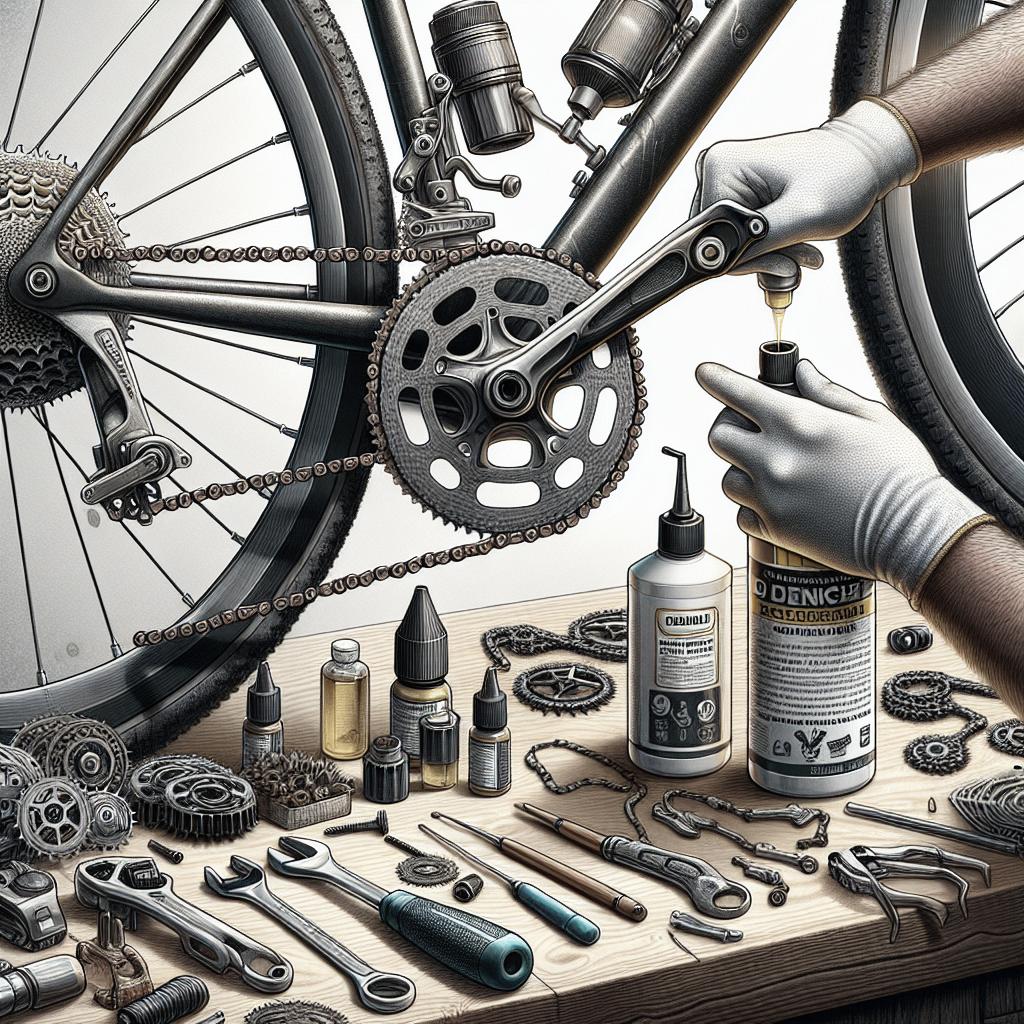
The bicycle chain is arguably the most critical component when it comes to lubrication. A well-lubricated chain reduces friction and wear, leading to a smoother, more efficient ride. To begin, clean your chain thoroughly using a degreaser and a brush. This step ensures that old grime and dirt do not interfere with the new lubricant or attract additional debris.
Once the chain is clean and dry, apply a bike-specific lubricant. Drip the lubricant onto the top of the chain while pedaling backward. Ensure you cover the entire length of the chain. Wipe off the excess lubricant with a rag to prevent it from attracting dirt. Maintaining a clean and lubricated chain not only enhances performance but can also increase its lifespan.
Derailleur Assemblies
The derailleur assemblies play a crucial role in shifting gears smoothly. These components include several moving parts that require proper lubrication to function orderly. Start by cleaning the derailleur both at the front and rear. Pay special attention to the pulley wheels and pivot points, where dirt tends to accumulate most.
Apply a small amount of lubricant to the pivot points and pulley wheels. It’s important not to over-lubricate these areas to avoid attracting dust and debris. Ensure to give proper time for the lubricant to penetrate all the necessary moving parts to maintain a smooth gear transition effortlessly.
Brake and Derailleur Cables
Lubricating brake and derailleur cables ensure they move freely and respond effortlessly when you shift or brake. This results in precision while riding. Begin by detaching the cables from their housing slightly to allow more efficient cleaning.
Clean the cables with a rag to remove any existing dirt, and apply a small amount of lubricant along the length of the cable. Re-install the cables, and check if they run smoothly. This step can combine well with overall bike tuning and may prevent unexpected cycling issues.
Brake and Shifter Levers
Brake and shifter levers are integral to your cycling safety and efficiency. When these components are properly lubricated, they allow for effective braking and precise gear changes. Use a good quality lubricant that is compatible with your bike’s specific components.
Apply lubrication at the pivot points of the levers. Take care not to over-lubricate requiring only a drop or two. Gently wipe off any excess lubricant. This step not only prevents rust but also ensures smooth operation of the levers without any hindrance.
Brake Assemblies
Keeping the brake assemblies well-lubricated is critical for optimum performance of the braking system. Start by checking brake pads and cleaning off any residue or build-up using a brush. Remove any wheel-related components carefully first, if needed, to access hard-to-reach areas.
After cleaning, apply a small amount of lubricant to the pivot points of the brake arms. Always ensure that no lubricant touches the brake pads as it can compromise braking efficiency. Regular maintenance of brake assemblies results in consistent stopping power and can greatly affect your ride’s safety.
Pedals
Proper lubrication of pedals is frequently overlooked, yet important for smooth pedal rotation and longevity. Start by detaching the pedals for an easier access. Inspect the pedal body and axle, cleaning off any dirt with a cloth.
Apply a specifically designed bike lubricant to the pedal pivot points and threads. Avoid over-lubricating which can attract dust and grime. Properly tightened, lubricated pedals not only deliver a better cycling experience but also provide greater efficiency and durability.
Lessons Learned
Lubrication is a key element of overall bicycle maintenance. Regular checks and timely application of lubricants prevent inefficiencies and prolong the life of your bike components. Following a step-by-step guideline ensures a comprehensive lubrication routine. Here’s a simplified overview for quick reference:
| Component | Steps |
|---|---|
| Chain | Clean, apply bike-specific lubricant, wipe excess |
| Derailleur Assemblies | Clean, lubricate pivot points and pulley wheels |
| Brake and Derailleur Cables | Detach, clean, lubricate, re-install |
| Brake and Shifter Levers | Lubricate pivot points, wipe excess |
| Brake Assemblies | Clean, avoid brake pads, lubricate pivot points |
| Pedals | Detach, clean, lubricate pivot points and threads |
“`