“`html
The Impact of Bike Tire Pressure
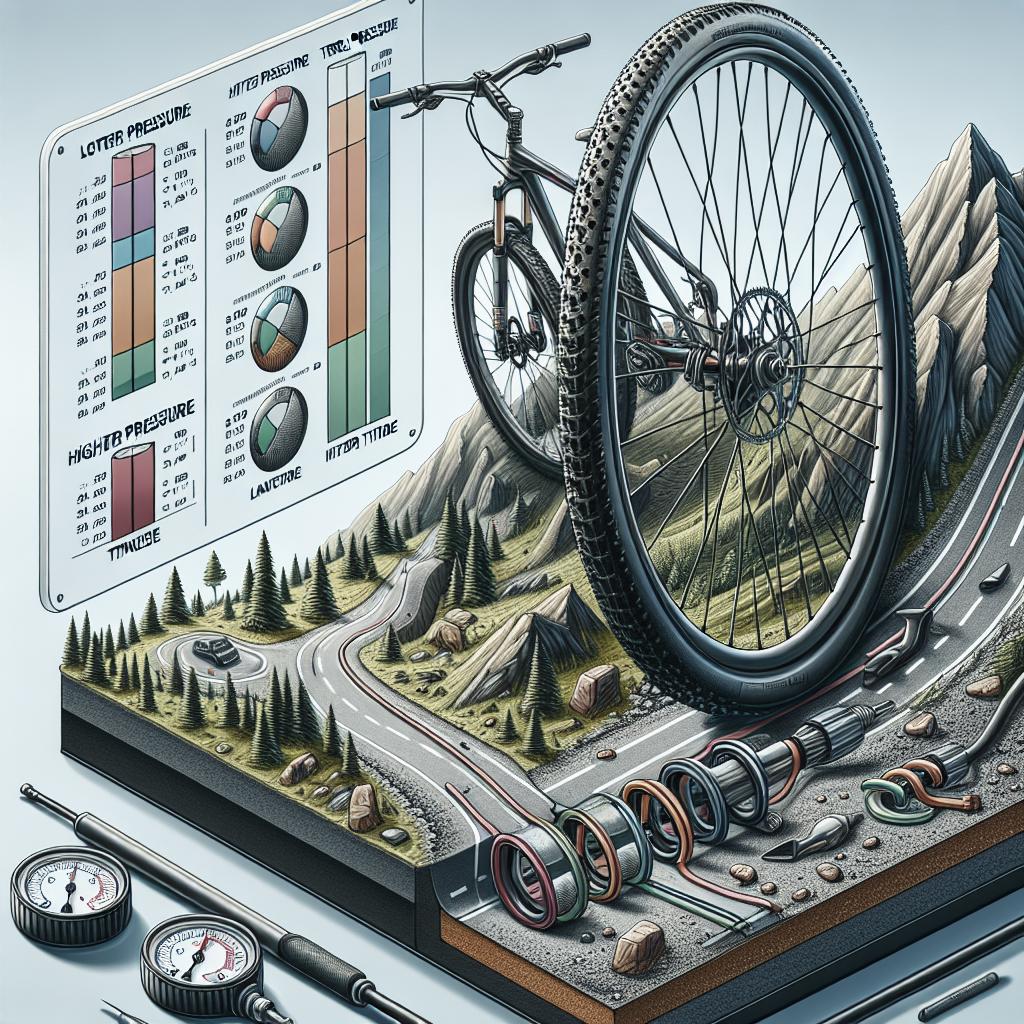
Understanding and maintaining the correct tire pressure is crucial for any cyclist. Not only does it affect the ride quality and safety, but it also influences performance and longevity of the tires. This blog post delves into the significance of bike tire pressure across different types of bikes, including road and mountain bikes, while exploring additional factors that cyclists need to consider, such as weight and temperature. We will also discuss the pros and cons of overinflation and underinflation and how often you should check tire pressure. Finally, we will look at different bike pump options to help you maintain optimal tire pressure for your cycling needs.
Pound Per Square Inch (psi) for Bike Tire Pressure
Road Bikes
Road bikes typically require higher tire pressure compared to other types. The optimal psi for road bikes ranges between 80-130 psi, depending on the rider’s weight and riding conditions. Higher pressure reduces rolling resistance, making it easier to reach higher speeds on smooth surfaces.
However, too much pressure can lead to a harsh ride and may reduce traction, especially in wet conditions. Conversely, insufficient pressure can cause tire pinch flats and negatively impact performance. Therefore, monitoring and adjusting tire pressure regularly is vital for road cyclists to enjoy a balance of comfort and speed.
Mountain Bikes
Mountain bikes are designed for rough terrains, and their tire pressure is generally lower to provide better traction and control. The recommended psi for mountain bike tires typically ranges from 30-50 psi but can vary based on trail conditions and rider preferences.
Lower pressure enhances tire grip on uneven surfaces, contributing to safer handling and stability. However, excessively low pressure can lead to rim damage or increased rolling resistance. Mountain bikers need to find the right balance to ensure their rides remain safe and enjoyable, adapting psi levels for different trail challenges.
Other Bikes
For hybrid or commuter bikes, tire pressure is often a compromise between road and mountain bike pressure standards, generally falling between 50-70 psi. This range supports mixed-use on streets and light trails, offering versatility for day-to-day cycling.
Folding and e-bikes may have specific pressure recommendations based on their unique designs, materials, and motor requirements. Cyclists should consult their bike’s manual for precise psi values to optimize both performance and battery life in cases of e-bikes.
Other Bike Inflation Factors to Consider
Weight
Rider weight significantly impacts the psi needed for optimal tire performance. Heavier riders may require higher inflation levels to support the additional weight and prevent tire deformation, which could lead to frame or rim damage.
It is essential for cyclists to adjust their tire pressure to accommodate their weight, including any gear or cargo they may be carrying. An appropriate psi setting will improve ride quality, enhance safety, and prolong tire lifespan.
Temperature
Temperature fluctuations can affect tire pressure. As a rule of thumb, tire pressure can increase by approximately 1 psi for every 10°F (about 5°C) rise in temperature. Therefore, cyclists should check tire pressure when transitioning between different climates or seasons.
Extreme temperatures can be particularly challenging, as high heat may increase tire pressure, while cold weather could cause deflation. Adjusting psi levels accordingly ensures consistent performance and reduces the risk of tire-related issues.
Overinflation vs. Underinflation
Overinflation can lead to a rougher ride, increased risk of punctures, and decreased traction, particularly on uneven or slippery surfaces. It also puts additional stress on tires and wheel components.
Underinflation, on the other hand, can cause tires to wear out faster, increase rolling resistance, and lead to pinch flats. Each extreme has drawbacks, making the case for maintaining optimal pressure to strike the right balance for safety and performance.
Frequency
Regularly checking tire pressure is crucial for sustaining performance and safety. Ideally, cyclists should inspect their tire psi at least once a week or before embarking on long rides or races.
Routine checks help identify potential issues early, allowing for timely adjustments or repairs. This proactive approach can prevent uncomfortable rides and extend tire longevity.
Bike Pump Options
Floor pumps
Floor pumps, often found in home garages, are preferred for their stability and efficiency. They usually feature a pressure gauge for precise readings, making it easier to maintain the desired psi.
Due to their size and design, floor pumps are best suited for home use, allowing cyclists to quickly inflate their tires before heading out. Their durability ensures they are a long-term investment for avid cyclists.
Hand pumps
Hand pumps are portable and lightweight, making them essential for on-the-go tire inflation. While they may require more effort and time to reach the optimal psi, their convenience cannot be overstated, especially during emergencies.
Most hand pumps are compatible with different nozzle types, offering flexibility for various tire valves. Cyclists should carry a hand pump during rides for quick fixes to keep their journeys smooth and uninterrupted.
Lessons Learned
| Aspect | Key Points |
|---|---|
| Pound Per Square Inch (psi) | Road bikes require higher psi for speed; mountain bikes need lower psi for traction; hybrids balance between both. |
| Other Inflation Factors | Weight, temperature, and the battle between over and underinflation influence tire pressure adjustments. |
| Frequency | Regular psi checks prevent issues and maintain performance. |
| Bike Pump Options | Floor pumps are ideal for home use, while hand pumps offer portable solutions for the road. |
“`