“`html
How to Prevent Bike Chain Wear
Biking is a beloved activity for many, serving as both a mode of transportation and a fitness regimen. Despite its advantages, regular upkeep is crucial, particularly the bike chain, which ensures a smooth ride. This article explores the fundamentals of your bike chain, chain wear, its implications, how to measure and replace it, and tools available for maintaining optimal function. Whether you’re a seasoned cyclist or just starting out, understanding chain wear can prevent extensive damages and costs, ensuring your ride stays as efficient as possible. Dive in to learn essential tips and techniques to prolong the life of your bike chain.
What pieces make up a chain?
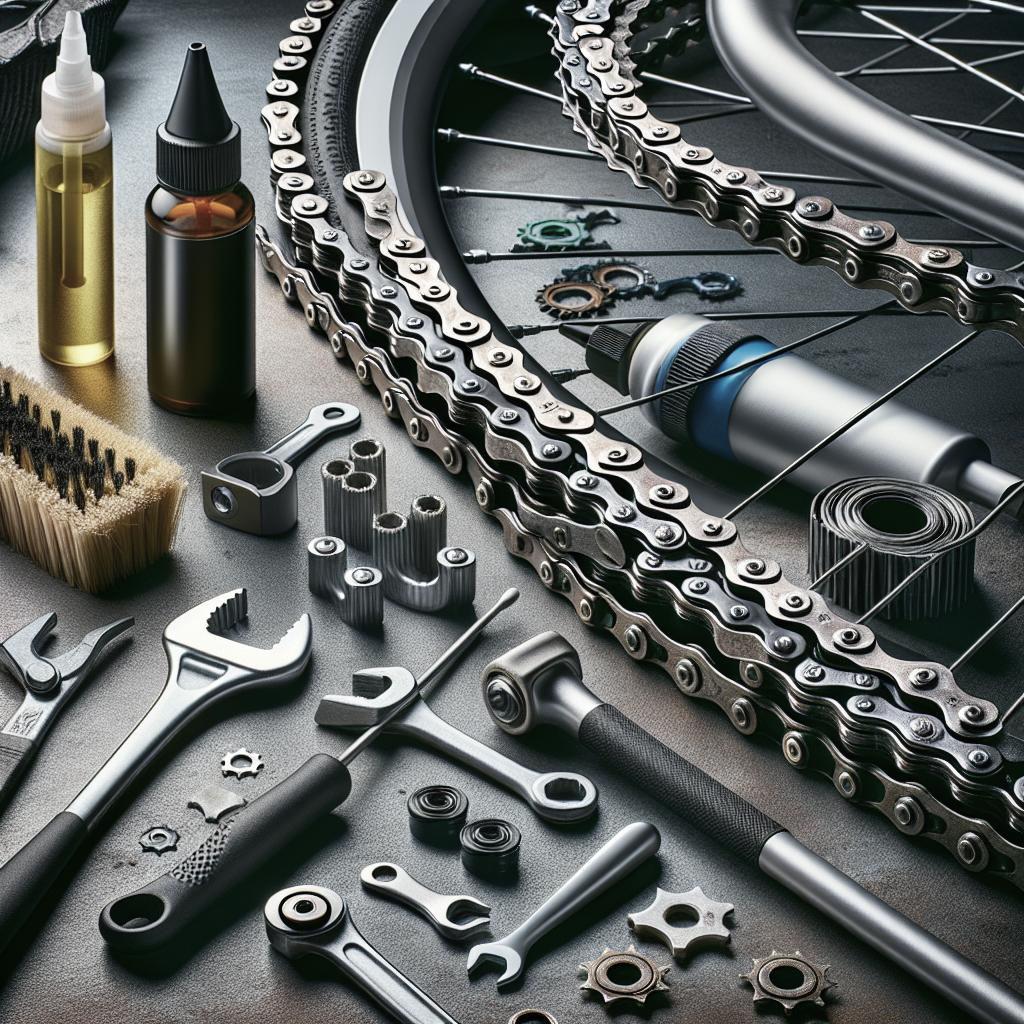
A bicycle chain is a crucial component that directly impacts your ride’s efficiency and performance. It is made up of interconnected parts, each playing a pivotal role in the chain’s movement and durability. The primary components of a chain include the inner and outer plates, pins, bushings, and rollers. Together, these parts enable smooth transitions between gears and facilitate power transfer from the pedals to the wheel.
Understanding these pieces allows you to better maintain and prevent potential wear and tear. The inner and outer plates hold everything together, while the pins connect these plates to create the links. Rollers fit between the plates and over the bushings, allowing the chain to move fluidly over gear teeth. With regular maintenance, including cleaning and lubrication, these parts can last significantly longer, enhancing performance.
What is chain wear?
Chain wear, commonly referred to as chain stretch, is a misnomer, as the chain doesn’t actually stretch in the traditional sense. Instead, it wears down over time due to consistent use and exposure to the elements, which causes the metal components to deteriorate. As these parts lose material, the chain gradually becomes longer, which can affect its fit on the gears and overall performance.
The wear primarily occurs at the point where the chain engages with the gears, typically due to friction and lack of proper lubrication. This inevitably affects the distance between the links, leading to what is known as elongation. Regular inspection and maintenance are essential to mitigate the effects of chain wear, ensuring the longevity and efficiency of your biking experience.
Why should I care about chain wear?
Ignoring chain wear can lead to a slew of problems, affecting both your bike’s performance and your overall biking experience. As the chain wears out, the fit between the chain and the cassette deteriorates, causing inefficient power transfer and slipping during gear changes. This lack of precise interaction not only affects riding comfort but can also escalate into safety concerns, particularly on challenging terrains.
Moreover, severe chain wear can lead to increased wear on other drivetrain components, such as chainrings and cassettes. This escalation in damage can result in costly repairs or replacements. Therefore, taking proactive steps to monitor and address chain wear not only saves money in the long run but ensures a safer and more enjoyable ride.
How do I measure a chain for wear?
Measuring your bike chain for wear is a straightforward process that, when performed regularly, prevents extensive wear on other components. One common method is to use a ruler or a specialized chain checker tool. A standard bicycle chain link measures half an inch; if a 12-inch section is more than 12 1/8 inches, it suggests wear.
A chain checker tool provides a simpler, more precise measurement. Insert the tool into the chain links to gauge the amount of wear or elongation. If the tool indicates a wear level of 0.5 percent or more, it might be time to replace the chain. This proactive approach helps in sustaining the integrity and performance of your bike’s drivetrain components.
How often should I replace my chain?
The frequency of chain replacement can vary based on riding conditions, cycling habits, and how well you maintain your chain. Most avid cyclists recommend checking your chain every 500-1,000 miles for wear, depending on terrain and weather conditions. More frequent inspections can prevent unexpected breaks or poor performance during rides.
If your measurements show notable wear, replacing the chain promptly is wise. Regular replacements can save money by preventing damage to the cassette or chainrings, which are often more expensive to replace. Ultimately, keeping a record of your riding and maintenance schedule will provide better insight into the optimal replacement intervals for your chain.
What if my chain is already worn?
If you discover significant wear on your bike chain, prompt action is crucial. A worn chain should be replaced to maintain your bike’s performance and avoid further damage. Start by purchasing a suitable replacement chain that matches your bike’s specifications and installation is generally straightforward, often requiring a chain tool and proper alignment to ensure smooth operation.
After replacing your chain, pay attention to its interaction with other drivetrain components. In cases where the cassette or chainrings have already suffered from chain wear damage, these components may also require replacement for optimal performance. Regular maintenance post-replacement, such as cleaning and lubricating, will help prevent future premature wear.
What is the best chain checker?
Choosing the right chain checker can significantly simplify the task of maintaining bike chain wear. Brands like Park Tool, Shimano, and Pedro’s offer reliable and user-friendly options. The Park Tool CC-3.2 Chain Checker, for example, is highly popular for its straightforward design and accuracy in indicating wear levels.
A good chain checker should be easy to use and durable, providing quick readings without the need for complex adjustments or calculations. Consideration for build quality and precision is essential for ensuring consistent and accurate measurements over the tool’s lifespan. Investing in a reliable chain checker is a small price to pay for longer-lasting bike performance and the prevention of wear-related issues.
Summary of Main Points
| Aspect | Key Points |
|---|---|
| Chain Components | Includes inner and outer plates, pins, bushings, and rollers; proper maintenance extends their lifespan. |
| Chain Wear | Occurs from friction and poor lubrication; leads to elongation and reduced performance. |
| Importance | Affects safety and efficiency; prevents costly damages to other drivetrain parts. |
| Measurement | Use a ruler or chain checker tool; replace if wear is significant to prevent further damage. |
| Replacement Frequency | Every 500-1,000 miles, depending on conditions; track maintenance for optimal lifespan. |
| Dealing with Worn Chains | Replace immediately to prevent further damages; ensure compatibility with drivetrain. |
| Chain Checkers | Use reliable tools like Park Tool CC-3.2 for accurate measurements. |
“`