“`html
Diagnosing Bike Mechanical Issues
Whether you’re a cycling enthusiast or simply use your bike as a means of commuting, ensuring it’s in top condition is crucial for both performance and safety. From cleaning routines to maintenance tips, this guide breaks down how to diagnose common bike mechanical issues. You’ll gain insights into essential bike checks, like bolt tightness, gear shifting, and drivetrain components. Moreover, we delve into when it’s time to consult professionals for more complicated tasks like brake bleeds and suspension services. Additionally, we provide advice on picking the right mountain bike and handy tips for novice mountain bikers. By regularly inspecting and maintaining your bike, you can not only enhance your riding experience but potentially save on costly repairs down the road.
Cleaning Your Bike
Regular cleaning is the first step in identifying and preventing mechanical issues. Dirt, grime, and moisture can accelerate wear and tear, so keeping your bike clean not only improves its appearance but also its longevity. Start by gently rinsing your bike with a hose. Use soapy water and a sponge for the frame and a toothbrush for intricate parts like the chain and derailleurs.
Pay special attention to brake pads and rims to ensure optimal braking performance. Drying your bike thoroughly prevents rust, especially on steel components. Lubricate moving parts after cleaning to reduce friction and wear. Regular cleaning also helps you notice potential issues, such as cracks or corrosion on vital parts, before they become serious problems.
Inspect And Maintain Your Bike
Check Tightness Of Bolts
The vibration and movement of riding can loosen bolts over time. Inspect all fasteners regularly, especially on critical areas such as the handlebars, stem, seatpost, and wheels. A loose bolt can cause significant damage or, worse, result in accidents.
Use a torque wrench for precise tightening, adhering to manufacturer specifications. Avoid overtightening, as this can lead to stripping or damaging threads. An even routine of checking and tightening ensures your bike remains secure and responsive during rides.
Check Your Gears Are Shifting Properly
Smooth gear shifting is vital for an enjoyable bike ride. Listen for unusual noises while changing gears, as these are often indicators of underlying issues. Observe whether the chain skips or hesitates during shifts, as this can signal misalignment or part wear.
Adjusting cable tension can rectify minor issues, while severe misalignments might require indexing the gears from scratch. Regular checks and adjustments prevent gear slippage that can lead to chain drops or unexpected stops.
Reasons Your Gears Could Be Shifting Poorly
Poor gear shifting can stem from a variety of factors. Worn-out cables can stretch, reducing the effectiveness of gear changes. Dirt and grime buildup can also impede efficient performance by obstructing the movement of both cables and derailleur mechanisms.
Furthermore, incorrect derailleur hanger alignment can skew gear changes, leading to inefficiencies. Identifying the root cause allows you to make targeted repairs, ensuring smooth and consistent shifting.
Drivetrain Components That May Need Replacing
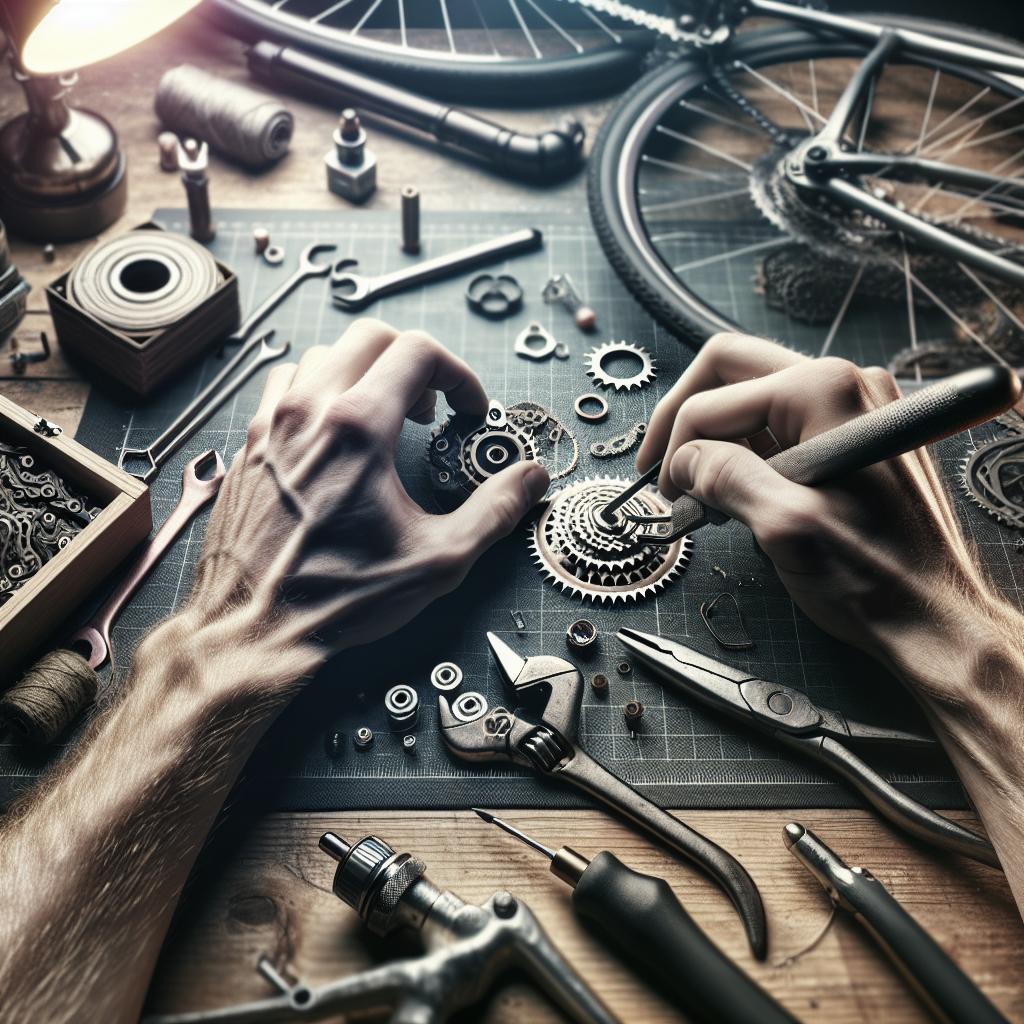
Over time, components like the chain, cassette, and chainrings experience wear and tear. Evaluating chain stretch with a gauge helps decide when a replacement is necessary, as an overly stretched chain can quickly wear out other drivetrain parts.
Inspect the teeth on cassettes and chainrings for excessive wear or deformities. Replacing these elements in due time ensures optimal bike performance and prolongs the lifespan of other components through decreased wear.
Check Your Tyres
Regular tyre inspection extends beyond looking for punctures. Examine the sidewalls and tread for cracks or excessive wear. Uneven wear patterns could hint at an alignment issue or improper inflation levels.
Maintain adequate pressure according to manufacturer guidelines based on your riding style and surface. Proper tyre care contributes significantly to ride quality, grip, and fuel efficiency, setting the foundation for a safe experience.
Tune Your Brakes
Properly maintained brakes increase your stopping confidence and safety. Start by checking that brake pads are aligned with the rims or discs and have sufficient material left. Replace them when worn to maintain optimal stopping power.
Adjust cable tension to ensure that levers engage at a comfortable point. Listen for squeaking or grinding noise, as they can indicate incorrect alignment or debris. Maintaining brakes is essential for riding safety, particularly in wet conditions.
Major Bike Repair Tasks To Leave To The Pros
Brake Bleed
Brake bleeding is crucial for maintaining consistent and strong braking. It involves removing air bubbles from the hydraulic brake system, a complex process best left to the professionals if you’re inexperienced.
Attempting this task without adequate knowledge can diminish brake performance and safety. Experienced mechanics perform bleeds efficiently and can diagnose related issues promptly during the process.
Check The Integrity Of Bearings
Bearings are critical for smooth wheel and pedal rotation. Over time, they can wear or become contaminated, requiring inspection. Evaluating the condition and lubrication of bearings is complex and needs specialized knowledge.
If you notice grinding noises or resistance when spinning wheels or pedals, consulting with a professional ensures accurate diagnosis and repair. Mechanics have the tools and expertise to service or replace faulty bearings effectively.
Suspension Service
Suspension systems provide comfort and control on uneven terrain, requiring careful maintenance. Addressing seals, fluids, and inner components necessitates specific knowledge and tools, making this task suitable for professional servicing.
Professionals can perform a thorough check capable of identifying issues that might escape an amateur eye, keeping the cycling experience smooth and responsive. Regular servicing prevents costly damage due to neglect or incorrect handling.
Everything You Need To Know When Buying A Mountain Bike
Purchasing the right mountain bike involves understanding components, fit, and intended use. Consider the terrain, frequency, and style of riding you’ll engage in to narrow down your options.
Investing in quality components and a fit-specific to your body enhances both comfort and performance. Consult experts to analyze your requirements, trial options, and adjust selections as necessary for the best riding experience.
13 Beginner Mountain Biking Tips You Need To Know
Entering the world of mountain biking can be thrilling yet challenging for beginners. Start with learning to balance, shift efficiently, and maintain a low center of gravity. Understanding these essentials increases your confidence on technical trails.
Before embarking on rides, be sure your bike fits your physique and style, and always wear safety gear. Riding with experienced cyclists provides learning opportunities and enhances your skills in a practical setting.
Final thoughts
Keeping your bike in optimal condition requires consistent inspection, maintenance, and knowing when to rely on professional services. A proactive approach to DIY checks and timely professional interventions ensures a safe and enjoyable cycling experience. Below is a summary of the key areas to focus on for bike maintenance.
| Maintenance Task | DIY or Professional | Frequency |
|---|---|---|
| Cleaning Your Bike | DIY | After every ride or weekly |
| Check Tightness Of Bolts | DIY | Monthly |
| Check Shifting Gears | DIY | Monthly |
| Tune Your Brakes | DIY | Monthly |
| Brake Bleed | Professional | Annually |
| Check Bearings | Professional | Annually |
| Suspension Service | Professional | Annually |
“`