“`html
The Role of Aerodynamics in Cycling
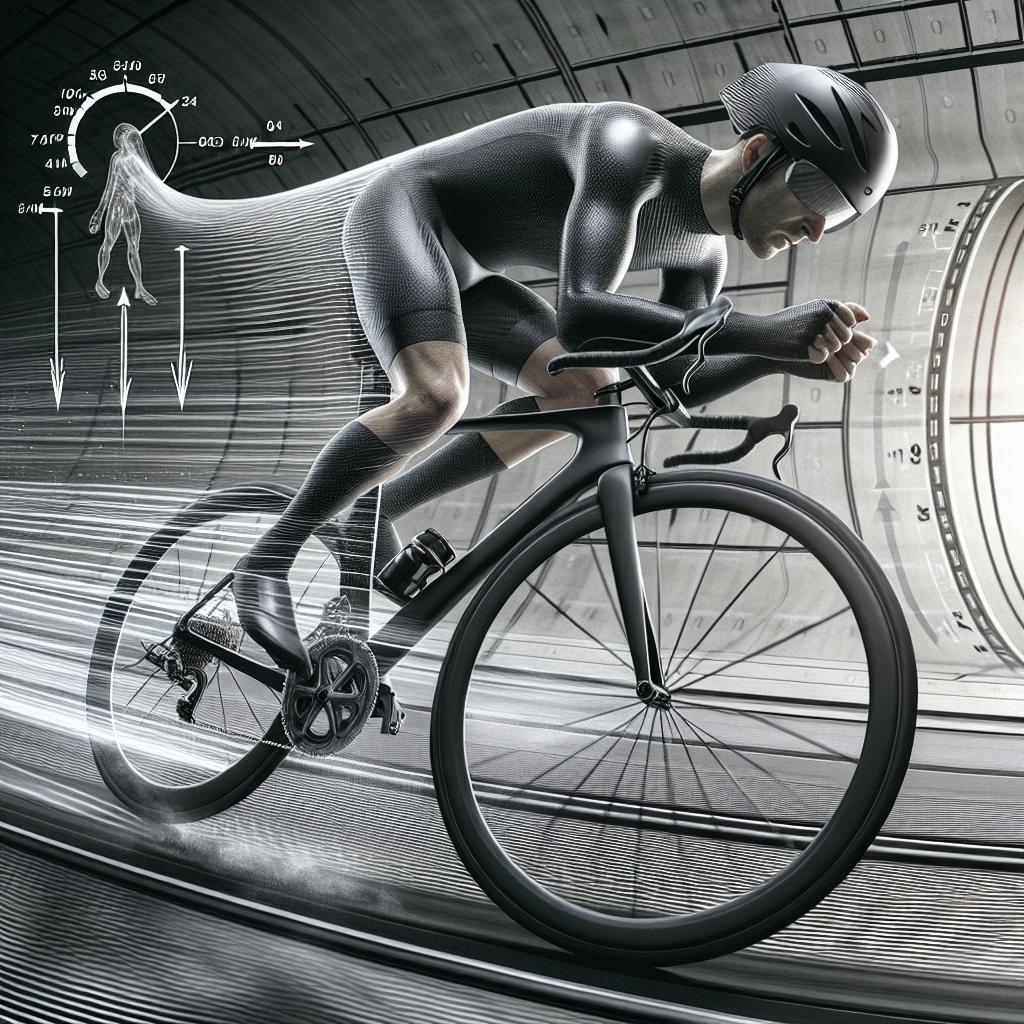
Cycling isn’t just about the physical strength and endurance of a rider. A critical factor that often dictates performance is aerodynamics. This blog post delves into the substantial role aerodynamics play in cycling. We will explore the physics behind aerodynamic drag, the exponential power required to increase speed, and practical strategies to reduce drag. From the design of bicycles to the posture of cyclists, aerodynamics significantly influences racing outcomes and efficiency in cycling. This post will also present ways to improve aerodynamic efficiency, enabling cyclists to ride faster and more efficiently. Join us as we unearth the science and secrets behind accelerating your cycling experience.
Aerodynamics does matter in cycling
The laws of physics illustrate the importance of aerodynamics in cycling
In cycling, aerodynamics is governed by fundamental laws of physics, primarily focusing on the interaction between the cyclist and the air. As a cyclist moves, they must overcome air resistance, which is a frictional force acting against their motion. This is particularly important at higher speeds where air resistance accounts for up to 90% of the total resistance a cyclist faces.
Understanding these laws helps cyclists and engineers to design equipment and adopt techniques that minimize air resistance. By optimizing for aerodynamics, cyclists can enhance their efficiency significantly. This not only translates to better performance in races but also extends the amount of time a rider can maintain higher speeds without exhausting much energy.
To double your speed, you need 8x the power
A crucial concept in cycling aerodynamics is the cube law, which states that to double your speed, you require eight times more power. This demonstrates the nonlinear relationship between power and speed due to air resistance. As speed increases, the air resistance rises exponentially, making aerodynamics crucial in the quest for speed.
Therefore, cyclists must strategize to distribute their power efficiently, often working to achieve an optimal balance between speed and endurance. The cube law highlights the challenge of speed in cycling but also the ultimate importance of minimal aerodynamic drag to conserve energy while maintaining velocity.
It is called aerodynamic drag for a reason, it is just that
Round is not a very good aero shape, be it steel tubes, shifting cables or legs
While most traditional bicycles were built using round tubes and similar structural designs, studies in aerodynamics have shown that round shapes contribute substantially to drag. A round shape increases the frontal area and directly adds to the air resistance experienced by a cyclist.
Today, modern bicycles and components are designed to adopt shapes that minimize drag. By using teardrop or aerodynamic shapes in frames, handlebars, and other components, manufacturers significantly reduce the drag, which translates to improved cycling speeds and efficiency.
The three ways to be aero: be smaller, more streamlined, and more slippery
Achieving aerodynamic efficiency in cycling revolves around three primary strategies: becoming smaller, more streamlined, and more slippery. Reducing frontal area makes a cyclist ‘smaller’ in terms of aerodynamics, effectively lowering the drag. Cyclists can achieve this by crouching lower on the bike, and minimizing the surface area exposed to the airflow.
Streamlining involves smoothing the airflow across the cyclist and the bike. This can include employing advanced shape designs and wearing fitted clothing to minimize disruptions in airflow. Lastly, reducing friction by making surfaces “slippery” through the use of special materials and coatings can further enhance aerodynamics, improving overall performance.
Liked it?
If you’ve enjoyed learning about the critical role aerodynamics plays in cycling, there’s much more to explore in how you can incorporate these insights into your cycling routine. Whether you’re a professional racer or a casual cyclist, optimizing aerodynamics can make your rides more enjoyable and efficient.
Consider sharing this post with fellow cycling enthusiasts who might appreciate these insights, and stay tuned for more posts that delve into the intriguing world of cycling technology and innovation.
Continue to Accelerate Your Ride.
| Key Aspect | Details |
|---|---|
| The Importance of Aerodynamics | Air resistance plays a significant role in cycling, especially at higher speeds, making aerodynamic efficiency crucial. |
| Physics behind Aerodynamics | Understanding the nonlinear relationship between speed and power can help cyclists optimize their energy use. |
| Effective Shapes and Designs | Innovative designs and materials aimed at reducing drag improve performance and speed. |
| Strategies for Aerodynamic Efficiency | Focusing on being smaller, streamlined, and slippery helps in significantly reducing aerodynamic drag. |
“`